


 11
11


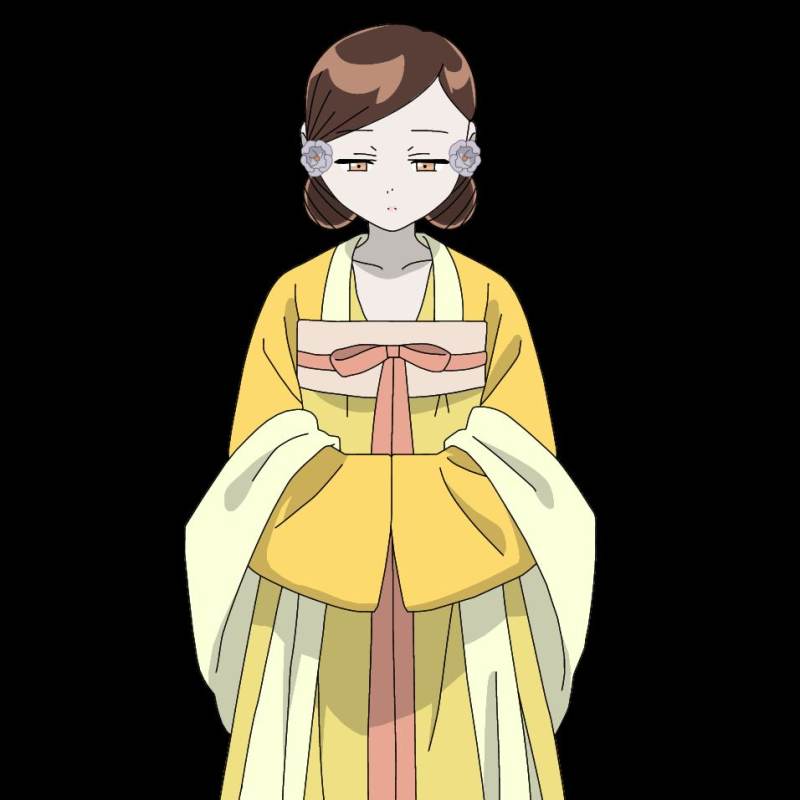
.
Identity: It's a fanmade MSA anime and manhwa.
Background: In America, in New York City, a 46-year-old bearded bulry man named Harold arrived at the airport all the way to Mérida, Spain after hearing about Eulalia of Mérida, Eulalia was a devout Christian virgin, aged 12–14, whose mother sequestered her in the countryside in AD 304 because all citizens were required to avow faith in the Roman gods. Eulalia ran away to the law court of the governor Dacian at Emerita, professed herself a Christian, insulted the pagan gods and emperor Maximian, and challenged the authorities to martyr her. The judge's attempts at flattery and bribery failed. According to the Spanish-Roman poet Prudentius of the fifth century, who devoted book 3 of his Peristephanon ("About martyrs") to Eulalia, she said: Isis, Apollo, Venus nihil est, Maximianus et ipse nihil: illa nihil, quia facta manu, hic, manuum quia facta colit. ("Isis, Apollo, Venus – they are naught; Maximian himself too, is naught; because they are work of men's hands, both worthless, both naught. He, because he reveres the works of hands.)" Eulalia was then stripped by the soldiers, tortured with hooks and torches, and burnt at the stake, suffocating from smoke inhalation. She taunted her torturers all the while, and as she expired a dove flew out of her mouth. This frightened away the soldiers and allowed a miraculous snow to cover her nakedness, its whiteness indicating her sainthood. A shrine over Eulalia's tomb was soon erected. Veneration of Eulalia was already popular with Christians by 350; Prudentius' poem increased her fame and relics from her were distributed through Iberia. Bishop Fidelis of Mérida rebuilt a basilica in her honor around 560. Her shrine was the most popular in Visigothic Spain. Around 780 her body was transferred to Oviedo by King Silo. It lies in a coffin of Arab silver donated by Alfonso VI in 1075. In 1639, she was made patron saint of Oviedo. He was shocked in disbelief, how could a girl be killed? He was disgusted by Maximian. What happens next?